
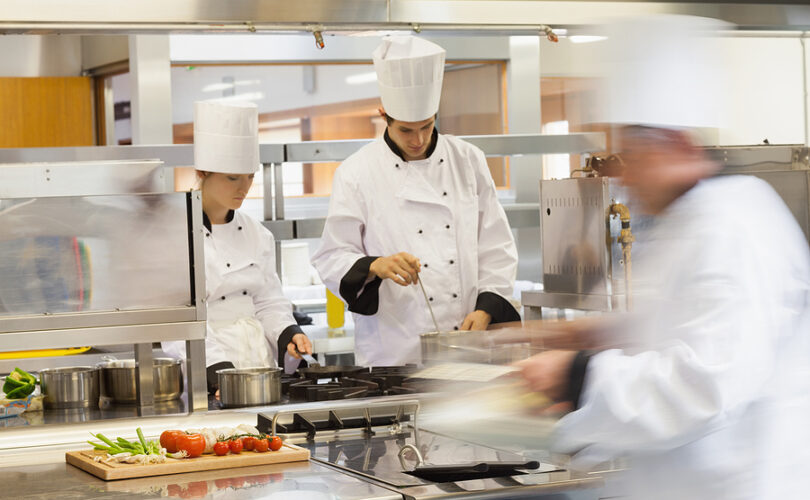
Food hygiene certification isn’t just an optional extra in the UK: it’s a legal or practical requirement across a wide range of roles where food is handled, prepared, or served.
Whether you’re starting a new job or hiring staff, understanding which roles need certification helps ensure compliance and protects customers from food safety risks. Here’s a clear breakdown of the most common jobs where food hygiene training is expected or required.
Catering and hospitality roles
Any job involving direct food preparation or service will almost always require a food hygiene qualification.
This includes:
- Chefs and sous chefs
- Kitchen porters
- Catering assistants
- Restaurant cooks
- Hotel kitchen staff
- Event and banquet staff
In these roles, employees handle raw ingredients, cook food, and serve customers. A good understanding of cross-contamination, temperature control, and allergen management is essential. Most employers expect at least a Level 2 Food Hygiene Certificate as standard.
Bar, café, and front-of-house staff
Even if someone isn’t cooking, they may still need certification depending on their responsibilities.
Typical roles include:
- Baristas
- Café assistants
- Bartenders serving food or snacks
- Waiting staff handling plated food
If staff are handling open food, preparing light meals, or managing buffet areas, food hygiene training becomes highly relevant. It ensures safe handling practices and reduces contamination risks in busy service environments.
Food manufacturing and production workers
In factories and production environments, food hygiene certification is often mandatory.
This includes:
- Food production operatives
- Packaging line workers
- Quality control staff
- Warehouse staff handling food products
These roles require a strong understanding of HACCP principles (Hazard Analysis and Critical Control Points) to ensure food is produced, stored, and packaged safely at scale.
Food delivery and logistics staff
Food safety doesn’t stop at the kitchen door.
Jobs such as:
- Food delivery drivers
- Cold chain logistics staff
- Warehouse pickers for food retailers
may require training, especially when transporting chilled or frozen goods. Maintaining correct storage temperatures and avoiding contamination during transit is key.
Retail and supermarket staff
Supermarkets and food retailers often require food hygiene training for staff working in certain departments, including:
- Deli counters
- Bakery sections
- Butchery departments
- Ready-to-eat food areas
These employees regularly handle unpackaged food, making hygiene knowledge essential for safe customer service.
Self-employed food businesses
If you run your own food business, certification is even more important. This includes:
- Street food vendors
- Home bakers selling to the public
- Food truck operators
- Small catering businesses
Local authorities and environmental health officers expect proper food hygiene knowledge as part of registration and inspection requirements.
Why food hygiene qualifications matter
Food hygiene certification isn’t just about ticking a box. It helps prevent foodborne illness, protects customers, and keeps businesses compliant with UK food safety law. Employers also benefit by reducing risk, improving reputation, and avoiding costly enforcement action.
Most entry-level roles require at least a Level 2 qualification, while supervisors and managers often need Level 3 Food Hygiene or HACCP training.
If you work anywhere that involves food handling, even indirectly, there’s a strong chance you’ll need food hygiene certification. It’s one of the most widely used workplace qualifications in the UK, and a key step in building a safe, professional food environment.






[…] employees working with food, appropriate food safety training should be part of their […]